-

Aryan Rana posted an update in the group Visionary Market Voices
6 months, 2 weeks ago#SundayFundaInsight
From Sabzi Mandi to Stock Market: The Art of Choosing Vegetables and Equities
Why your mother’s sabzi shopping wisdom might be the key to investment success in India
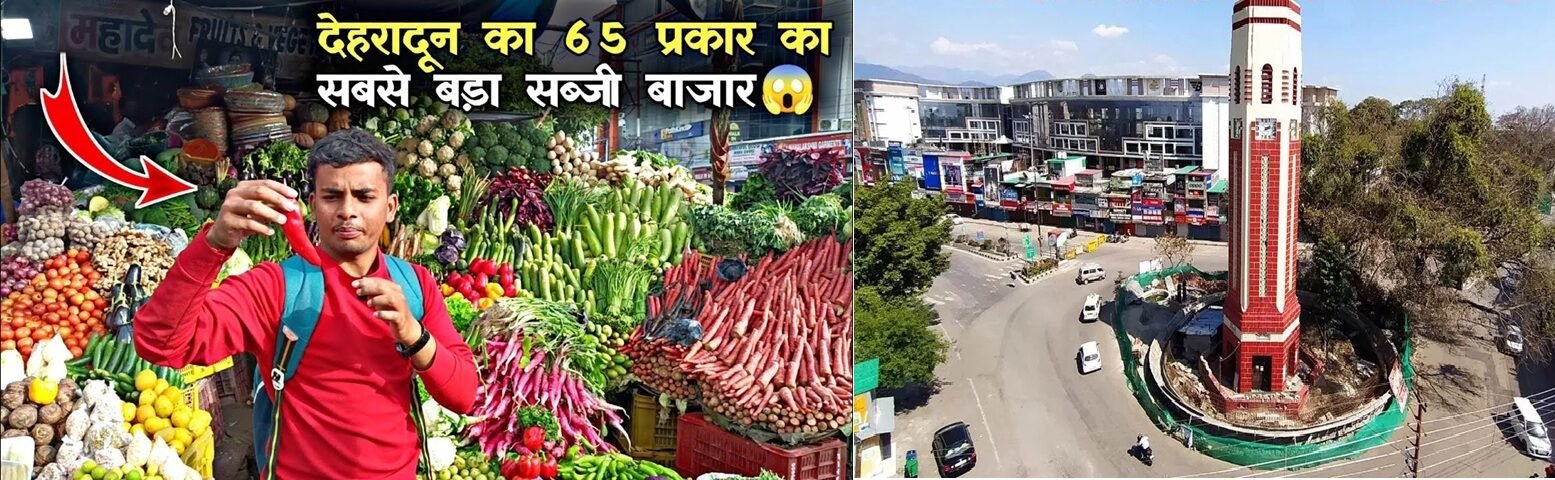
Standing in the bustling mandi near Paltan Bazar in Dehradun, I often watched my mother (Many times my Maternal Grand Father and Father also ) negotiate with the sabziwala—pressing each bhindi for firmness, comparing freshness across vendors, weighing prices against quality.
At the time, it seemed like routine shopping. Many years later, when I placed my first stock orders on HDFC Securities, I realized I had already witnessed a timeless masterclass in investment strategy.
At VRIGHT Exchange, we believe investing isn’t just about numbers and charts—it’s also about the discipline, observation, and instincts passed down in everyday Indian life. The skills that help a homemaker choose the best sabzi are surprisingly similar to those that help an investor build a resilient portfolio.
Know Your Seasons and Cycles
In Indian mandis, everyone knows that mangoes peak in summer, leafy greens thrive in winter, and onion prices swing wildly in monsoon. Buy karela out of season, and you’ll pay more for worse quality.Markets work the same way. Indian investors must read cycles—festive spending boosts consumer stocks, monsoons sway agri-linked businesses, and budget announcements shift entire sectors. Just like a tomato that is firm yet not rock-hard, a good stock shows steady growth without dangerous volatility.
Reading the Signs: Visual Inspection
A seasoned shopper identifies quality at a glance—the green of coriander, the shine of brinjal, the crispness of palak.Similarly, investors must learn to detect cues: falling quarterly results, promoter pledging, or sudden leadership changes.
At VRIGHT Exchange, our platform helps investors cut through the noise, just as a smart buyer looks beyond a neatly stacked vegetable pile to check for hidden bruises.
Negotiation and True Value
In a mandi, haggling isn’t optional—it’s survival. A sharp buyer knows when prices are inflated and when to walk away. In markets, this translates into valuation discipline: recognizing when P/E multiples are stretched, and when patience will deliver a fair price.Context matters. Paying ₹80/kg for onions in scarcity may be justified; doing the same in harvest season is a mistake. Likewise, premium valuations are warranted for high-growth IT firms in bull runs—not for over-leveraged companies in downturns.
This disciplined approach is exactly what a VRIGHT Exchange–listed firm like OmniScience Capital excels at—using a scientific, research-driven framework to identify true value and avoid costly mistakes.
Diversification: The Complete Thali
A wholesome Indian thali has balance—dal, sabzi, roti, rice, and sides. A good portfolio mirrors this: stability from large caps, growth from mid-caps, and spice from small-caps, spread across FMCG, banking, pharma, IT, and cyclical sectors.Over-reliance is risky. Just as eating only onions is unhealthy, holding only banking stocks can be disastrous if RBI tightens rules.
That’s why companies like ICE Make Refrigeration Ltd., a VRIGHT Exchange–listed leader with a 50+ product basket in commercial and industrial refrigeration equipment, stand out.
No other company in their segment offers such breadth, and this diversification of products not only protects them from over-dependence on a single line but also gives investors exposure to multiple growth avenues within one company.
Timing and Local Rhythms
Smart shoppers arrive early for the freshest produce or wait until post-festival for bargains. Investors, too, benefit from timing—buying when broader pessimism hides opportunity, like in 2008 or 2020.Patience and Long-Term Growth
A farmer doesn’t harvest too early or too late. Similarly, the biggest wealth creators—Infosys, Titan, HDFC Bank, Asian Paints—rewarded those who waited through cycles.At VRIGHT Exchange, we encourage investors to think in decades, not days.
Beyond Price: The Hidden Costs
Cheap potatoes often rot fast. Similarly, penny stocks or speculative F&O bets look attractive but carry high hidden risks.Premium vegetables last longer; blue-chip stocks like TCS, HUL, or Reliance offer stability and compounding power.
Generational Wisdom and Local Knowledge
My mother knew, without labels, which dal cooks evenly or which mango ripens perfectly.Investors, too, need instincts—developed from research, experience, and understanding of India’s unique economic rhythms.
Relationships, Trust, and Regulation
Indian shoppers rely on trusted sabziwalas who save the best produce and give honest advice.Investors depend on credible research, transparent managements, and fair regulations. Policy changes—like GST, export bans, or new digital frameworks—shape both sabzi prices and stock markets.
The Harvest: Why It Matters for Investors
In an age of online grocery apps and mutual funds, personal selection may feel outdated. But just as hand-picked sabzi makes meals richer, active investing—done wisely—creates deeper returns and insights.That lesson from the mandi stays with me: check carefully, wait patiently, value quality over shortcuts. Whether building a thali or a portfolio, the recipe is the same—research, discipline, diversification, and trust in the process.
At VRIGHT Exchange, we bring this very wisdom into investing—helping individuals, families, and institutions move from sabzi mandi instincts to stock market strategies, turning everyday Indian experiences into tools for wealth creation.
#InvestorThali #VRIGHTInsights #MarketMandi #DalalStreetDecoded #EquityEssentials #WealthWisdom #SmartInvesting #VRIGHTVoices #InvestorConnect #BeyondNumbers #CorporateLens
#AskVRIGHT #MarketMantra #BoardroomToInvestor #GrowthStories